About

Colby Vreman - Founder, Engineer & Fabrication Nerd-in-Chief
I started Vreman 3D Lab as a way to bring ideas to life—mine, and yours. What began as a small 3D printing setup for prototyping custom designs has evolved into a full-fledged fabrication studio where engineering meets experimentation.
With a background in mechanical engineering and hands-on experience in CAD modeling, manufacturing, and product development, I built this space to be more than just a print shop. It’s a living portfolio, a design lab, and a place to solve real-world problems through practical, precision-driven fabrication.
Today, I offer services that include:
3D Design & CAD Modeling – Custom parts, SolidWorks/Fusion 360, FEA optimization
3D Printing (FDM) – Prototypes, end-use parts, creative builds
Laser Cutting & Engraving – Wood, acrylic, select metals; branding & gifts
Electroplating – Nickel, copper, and decorative/functional finishes
Product Development & Prototyping – Concept to functional prototype support
Sustainability & Recycling – Eco-friendly reuse of filament and materials
Whether you’re an inventor with a napkin sketch, a student trying to test a design, or a small business needing a batch of custom parts—I’m here to help bridge the gap between idea and reality.
At Vreman 3D Lab, every project is an opportunity to build smarter, fail forward, and make cool stuff. Let's collaborate and create something worth holding in your hands.
What people are saying.
-
“My concept became a perfectly fitting, functional part in under a week. The communication, design insight, and final quality exceeded expectations.”
Megan L. - Product Designer
Client, Custom CAD Project
-
“Colby didn’t just print my files. He improved the design for strength, efficiency, and cost. Extremely knowledgeable, professional, and easy to work with.”
— Tony M. – Engineering Student
Academic Collaboration
-
“Colby replicated and improved a part I thought would require expensive tooling. The print fit better than the original — outstanding design and fabrication expertise.”
Samuel B. — Hobby Machinist
Client, Custom CAD Project

Understanding the Synergy: 3D Scanning to 3D Printing
From Real Life to Your Printer: The Magic of 3D Scanning is Here.

Unleash the Detail: Your Deep Dive into the World of Resin 3D Printing
Beyond Filament: The Power of Resin.
Ready to Start?
Tell me what you’re working on — I’ll help you build it.
A Note of Thanks
Thank you for supporting my journey as a growing engineer. Every visit, share, and bit of encouragement helps me push further, learn more, and create better work. Your support truly means a lot.
Keep up with my latest creations — follow me on social media!
-
![A person standing on a hill under a colorful, starry night sky with the Milky Way galaxy visible.]()
Dream it.
-
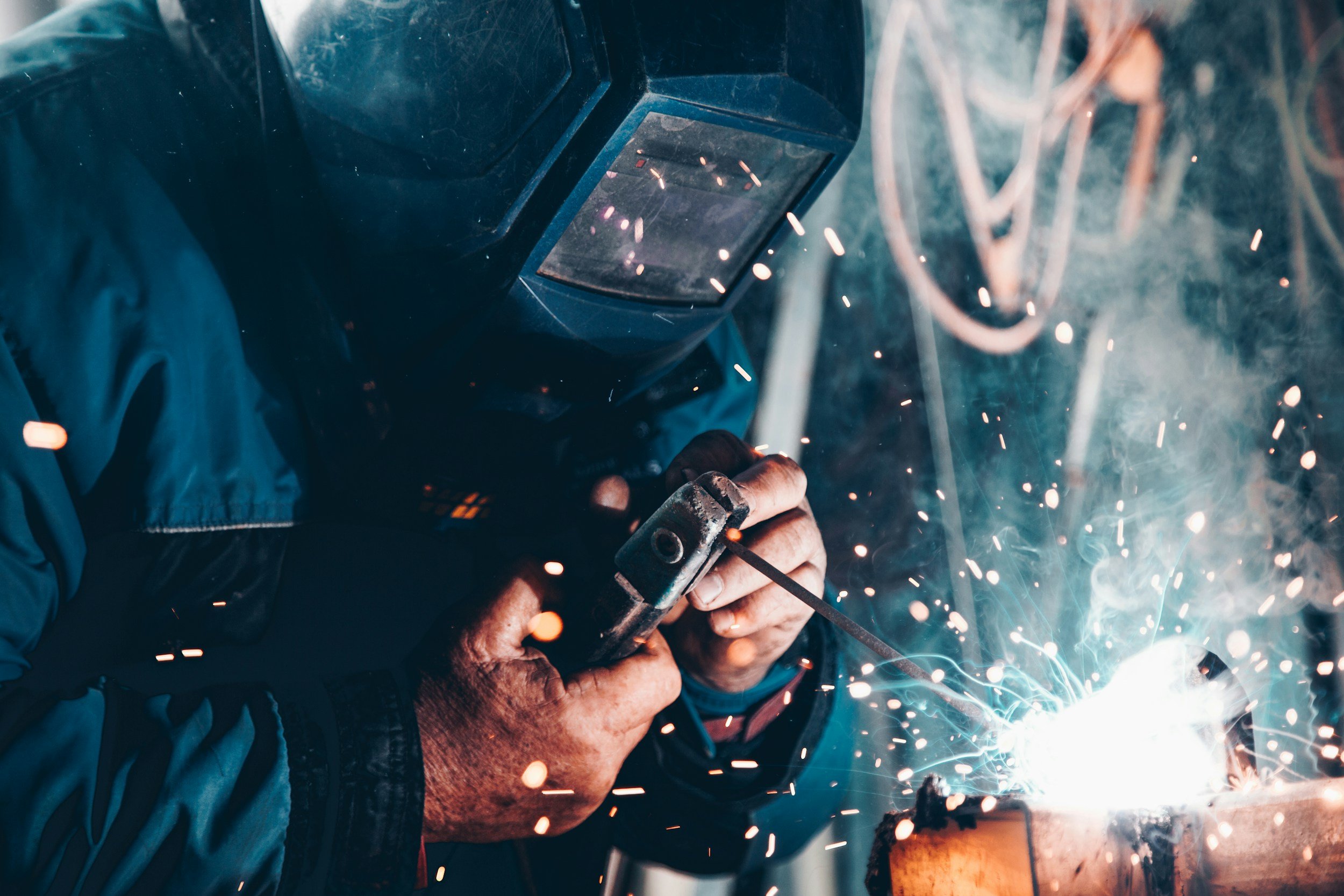
![A person welding metal with sparks flying around, wearing a welding helmet and gloves.]()
Build it.
-
![A 3D printer on a white table, surrounded by various colorful 3D printed objects, a laptop with a robot design on the screen, and other 3D printed parts and tools.]()
Grow it.
-
![A person sitting on a rocky ledge overlooking a mountainous landscape at dusk.]()
Think it.
-
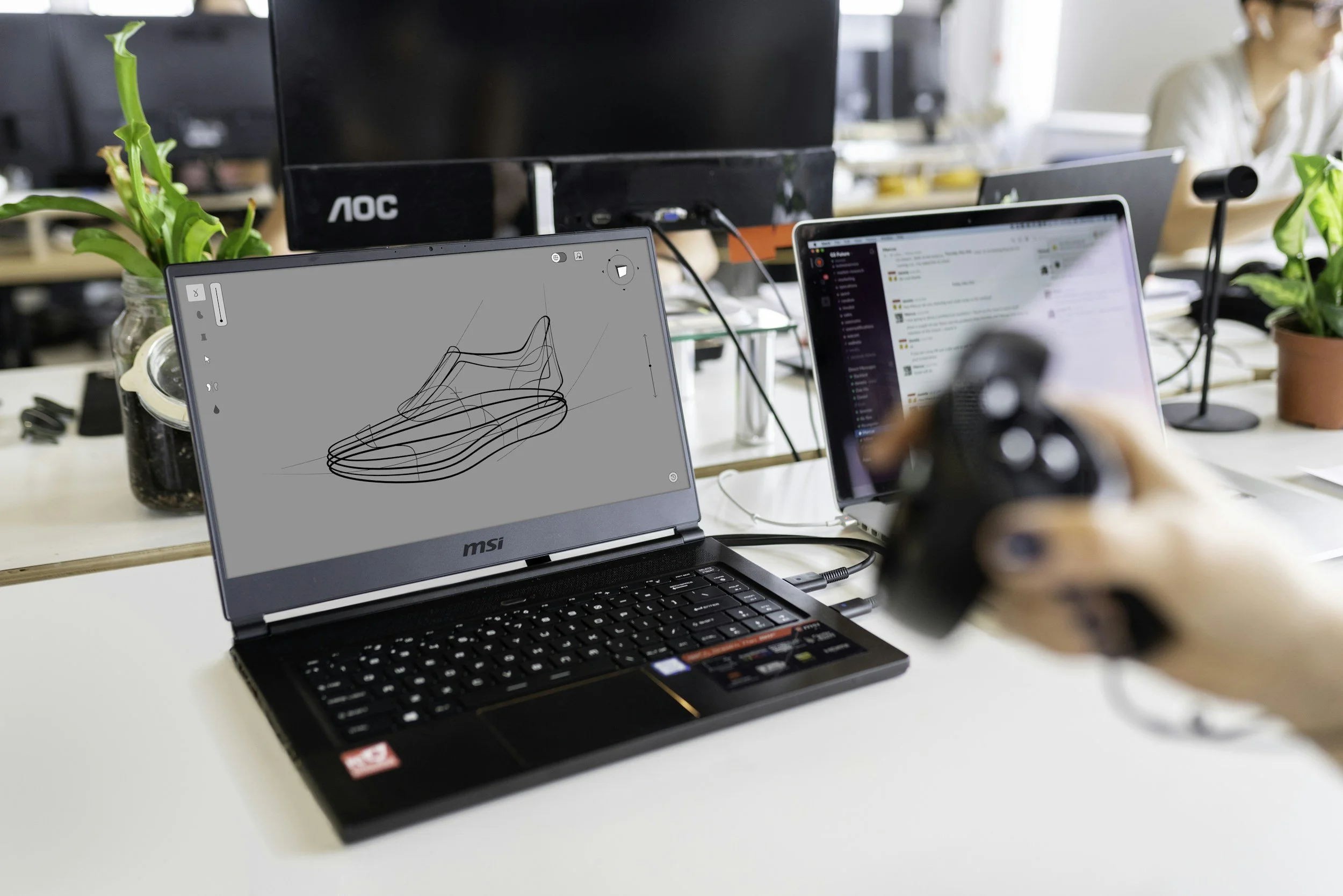
![A person holding a camera pointing at a laptop with a 3D shoe design on the screen. The workspace has plants, monitors, and other people working in the background.]()
Design it.
-
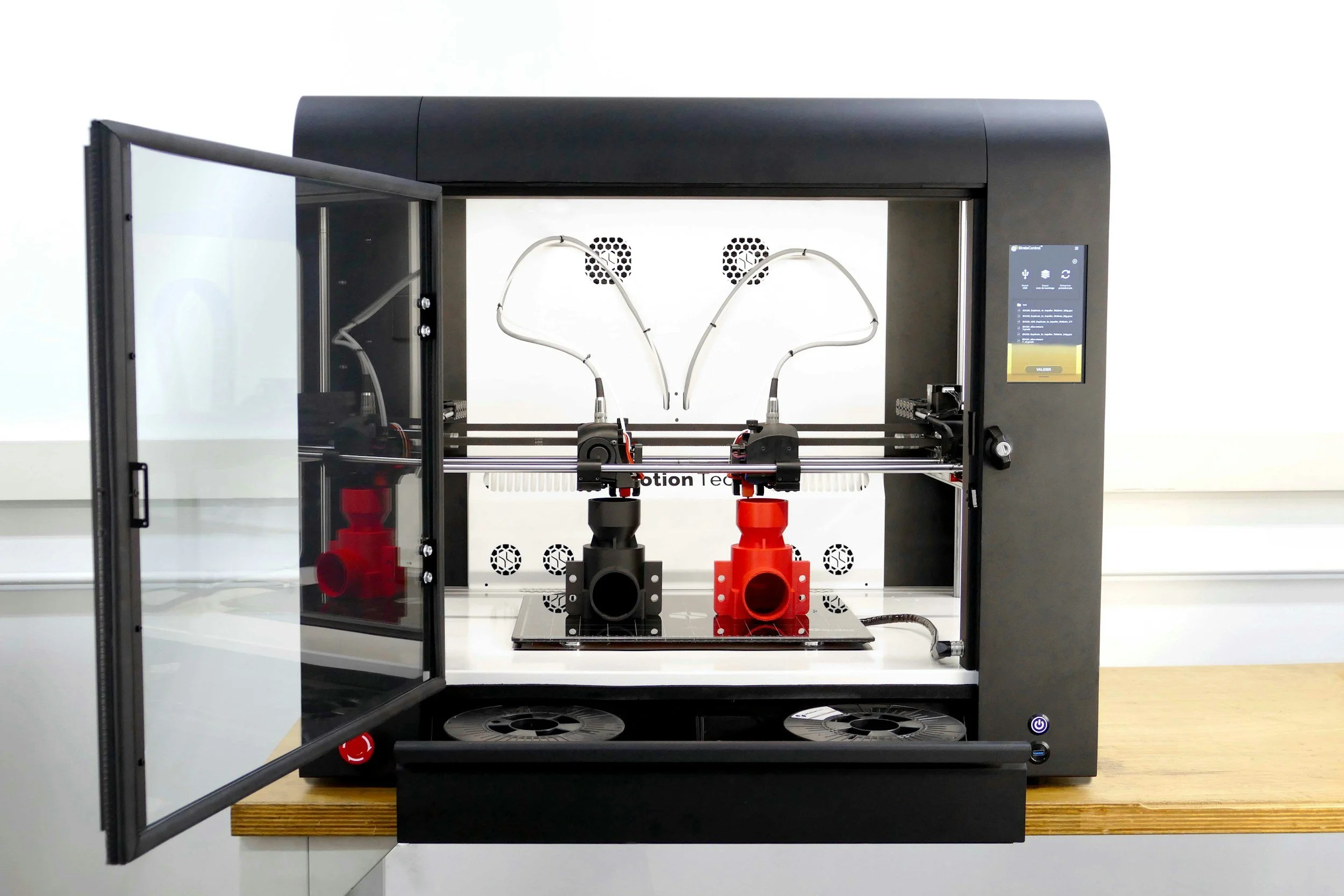
![A 3D printer printing with red filament, with two nozzle heads inside a black enclosed machine, on a wooden table in a lab setting.]()
Print it.
-
![A hand interacts with a plasma globe emitting colorful electric filaments in a dark environment]()
Innovate it.
-
![Vivid splash of pink, blue, and orange liquid in mid-air with droplets around it, on a white background.]()
Model it.
-
![A computer desk setup featuring a dual monitor display with code and a video player, a smartphone on a stand displaying the Netflix app, a camera lens, a keyboard, and a mouse with orange lighting accents. The background has a warm, reddish glow.]()
Program it.
-
![Two individuals working at a desk with laptops, papers, and pens, discussing documents.]()
Plan it.
-
![Person examining a technical blueprint of a machine or building using a magnifying glass and a red pen]()
Sketch it.
-
![A workbench with various tools and objects including a tablet, scissors, a drill, safety glasses, a pen, drill bits, a black carbon fiber object, a small plastic part, an orange marker, a spray bottle, and a blue-and-white object.]()
Refine it.
-
![A scientist wearing safety goggles operates a large mechanical device in a laboratory illuminated with blue light.]()
Engineer it.
-
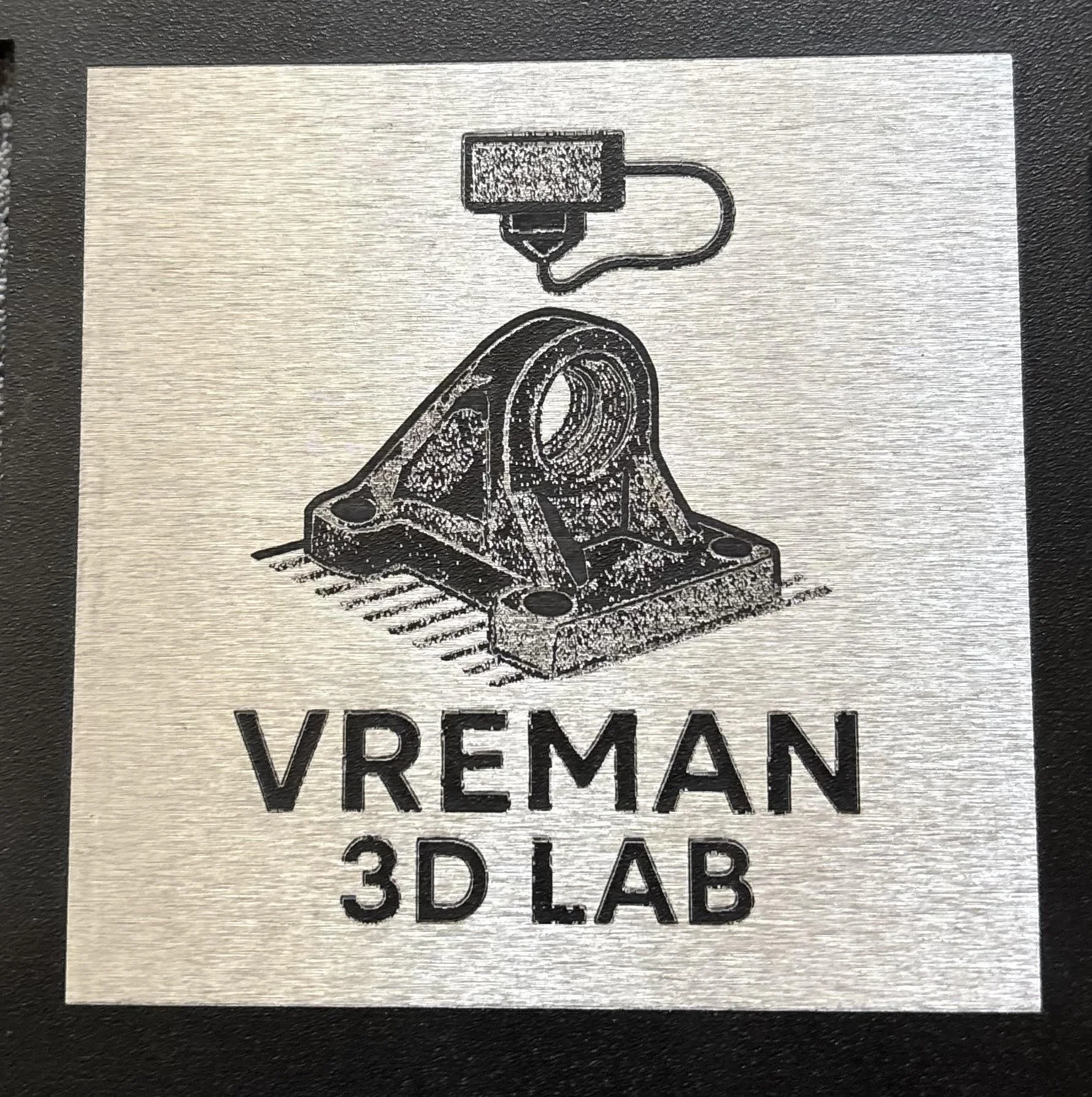
![A logo featuring a 3D printer nozzle extruding material onto a mechanical part, with the text "VREMAN 3D LAB" below.]()
Engrave it.